My ClassicPress Website

NIZHNEKAMSK, TATARSTAN (March 31, 2026) — A massive explosion and subsequent fire

Mass Casualty Event at Nizhnekamskneftekhim: Strategic Petrochemical Hub Crippled

NIZHNEKAMSK, TATARSTAN (March 31, 2026) — A massive explosion and subsequent fire have ripped through Nizhnekamskneftekhim, one of Russia’s largest petrochemical facilities, resulting in a mass casualty event. Reports from the regional Health Ministry and local outlets confirm at least two fatalities and 72 injuries, with eight individuals hospitalized in critical condition.

The Incident

The blast occurred in the early afternoon, sending a towering plume of dark smoke over the industrial city of Nizhnekamsk. Mayor Radmir Belyayev reported that the shockwave was powerful enough to shatter windows in nearby residential areas.

While Sibur, the facility’s operator, maintains the fire was caused by a technical failure, the timing has raised significant questions. Just minutes before the explosion, Russia’s aviation authority, Rosaviatsiya, briefly suspended operations at Nizhnekamsk Airport—a standard emergency protocol typically triggered by the detection of inbound Ukrainian unmanned aerial vehicles (UAVs).

Strategic Importance of the Target

Nizhnekamskneftekhim is not merely a commercial plant; it is a critical node in Russia’s wartime economy:

  • Synthetic Rubber & Plastics: It is the country’s leading producer of synthetic rubbers, which are essential for the manufacturing of military vehicle tires and industrial components.
  • Geographic Depth: Located approximately 1,100 kilometers (680 miles) from the Ukrainian border, a successful strike here demonstrates Ukraine’s continued ability to bypass complex air defense layers deep within the Russian interior.

Context: The “Refinery War” Escalates

This event follows a week of devastating precision strikes against Russia’s fossil fuel and chemical exports:

  • Leningrad Region: Repeated drone assaults have paralyzed an estimated 40% of Russia’s oil export capacity at Baltic Sea ports like Ust-Luga and Primorsk.
  • Tolyatti: On March 30, the KuibyshevAzot chemical plant was struck for the second time in a month, disrupting the production of fertilizers and nylon raw materials.

Analysis: Denying the “Drone Factor”

The Kremlin and regional authorities have been increasingly hesitant to acknowledge drone impacts on sensitive industrial sites, often citing “malfunctions” to avoid admitting vulnerabilities in domestic air defense. However, the deployment of 19 medical teams, air ambulances, and disaster medicine specialists underscores the severity of the damage to the workforce and the facility’s production lines.

For the Russian military, the loss of output from Nizhnekamskneftekhim represents a long-term logistical bottleneck. Replacing high-tech petrochemical equipment under current international sanctions will likely take months, if not years, further straining the “sovereign” supply chains required for the ongoing conflict.

The “Drone War” over Russian refineries

This video provides an in-depth analysis of how Ukraine’s long-range drone program is systematically dismantling the infrastructure of the Russian energy and petrochemical sectors.

Editorial Note for WarsWW.net

  • Verification Status: We have cross-referenced these casualty figures with both The Moscow Times and Anadolu Agency.

Global Briefing 31 March 2026

BLUF

The US-Israel military campaign against Iran has entered a critical escalation phase, with major airstrikes striking Isfahan overnight — visible from geostationary satellite — while Iran has rejected US ceasefire demands and a Kuwaiti oil tanker was struck in Dubai port. President Trump is simultaneously threatening to destroy Iran’s energy infrastructure unless a deal is reached “shortly,” while signaling he is negotiating with a “new, more reasonable regime,” suggesting the Islamic Republic’s internal cohesion may be fracturing under sustained bombardment. Markets are in severe risk-off mode with the Fear & Greed Index at 11 (“Extreme Fear”), gold surging, and equities down sharply across the board.

KEY DEVELOPMENTS

Isfahan Airstrike: Overnight US-Israeli strikes on Isfahan, Iran produced explosions reportedly visible from the Meteosat-12 geostationary weather satellite. Multiple OSINT sources confirm large secondary explosions consistent with missile/munitions storage or nuclear-adjacent infrastructure. This is among the most significant strikes of the campaign to date. *(Confidence: HIGH)*

Iran Rejects Ceasefire; Gulf States Running Low on Interceptors: Iran’s foreign ministry publicly rejected US ceasefire demands. Russian state media (TASS) reports Persian Gulf countries are running critically low on interceptor missiles after absorbing ~1,200 Iranian ballistic missiles and ~4,000 Shahed drones since war’s onset. *(Confidence: MODERATE-HIGH)*

  • Kuwaiti Oil Tanker Struck in Dubai Port / 3 UN Troops Killed: A Kuwaiti oil tanker was hit at Dubai port — a significant escalation bringing the war into UAE territorial waters. Separately, at least 3 UN peacekeepers (including 2 Indonesian UNIFIL troops in southern Lebanon) were killed in an explosion of unknown origin. *(Confidence: HIGH)*
  • A-10 Warthog Deployment / Ground Operation Signals: The War Zone reports dozens of A-10s are being positioned for “Operation Epic Fury,” with defense analysts openly discussing coastal assaults and nuclear site raids. The A-10 is a close-air-support platform optimized for ground operations, signaling imminent land component planning. *(Confidence: MODERATE)*

  • Haiti Massacre: At least 70 killed and 30 wounded in a gang attack, per a rights group — one of the deadliest single incidents in Haiti’s ongoing gang war. *(Confidence: HIGH)*
  • Gulf State Interceptor Depletion: The reported depletion of air defense interceptors across GCC nations creates a critical vulnerability window. If confirmed, this fundamentally alters the regional air defense calculus and Iran’s strike effectiveness. *(Confidence: MODERATE)*
  • Israel’s $45B Defense Budget: Israel formally approved a $45 billion defense budget as the Iran war continues, cementing a long-term multi-front war footing. *(Confidence: HIGH)*
  • Trump Seeking Arab Financial Support for Iran War: The White House confirmed Trump wants Arab states to help pay for the Iran military campaign, complicating Gulf diplomatic relationships already strained by interceptor shortfalls. *(Confidence: HIGH)*
  • Nuclear Nonproliferation Warnings: Multiple arms control organizations are publishing analysis that the Iran war will trigger a “new nuclear age” — particularly concerning given simultaneous reports of a US-Saudi nuclear deal that could permit enrichment. *(Confidence: MODERATE)*

Middle East

The dominant story globally. US-Israeli strikes are now reaching Isfahan — Iran’s cultural heartland and home to nuclear-adjacent facilities. The Hormuz Strait remains a central variable; Trump explicitly linked war termination to Hormuz reopening, while WSJ/TASS report that reopening Hormuz would require a six-week dedicated operation. UAE territorial integrity is now directly implicated after the Dubai port tanker strike. Lebanon’s UNIFIL mission is taking casualties, suggesting spillover destabilization. Polymarket still shows <1% probability of Iranian regime collapse by March 31, though Trump’s “new regime” language warrants close monitoring.

Americas

Haiti’s security crisis deepened with a mass-casualty gang attack (70+ killed). Domestically, US political developments remain subordinate to the Iran war, though “No Kings” protest movements are reportedly drawing thousands across the Midwest. FEMA disaster declarations continue for Oklahoma and Texas wildfires.

Europe

USS Gerald R. Ford (CVN-78) remains in Souda Bay, Crete — well-positioned for Eastern Mediterranean operations. Croatia canceled a regional summit and refused entry to Serbian President Vučić, adding Balkan diplomatic tension. Germany’s new Chancellor Merz signaled he expects 80% of Syrian migrants to return home — a significant domestic political posture.

Asia-Pacific

A magnitude 7.3 earthquake struck Vanuatu (depth 121km; classified Green/low impact by GDACS). USS George Washington remains in Yokosuka. Coast Guard is strengthening maritime security presence around the Northern Mariana Islands. Wildfire activity detected in northeastern China (~12,000 combined hectares) and India (~11,000 hectares).

Africa

Ethiopia is experiencing critical BGP internet outages (severity: critical), consistent with either infrastructure stress or deliberate disruption. Sudan’s conflict-driven humanitarian crisis continues. UN sanctions committee added one new entry to the ISIL/Al-Qaida list.

INDICATORS TO WATCH (Next 24-48 Hours)

  1. Trump “New Regime” Claim: Verify whether any Iranian political or military figures are defecting, negotiating, or publicly breaking with the Supreme Leader. This is the highest-priority intelligence gap — if real, it could signal imminent war termination or civil war conditions.
  2. Hormuz Strait Traffic: Monitor AIS shipping data for any further reduction in tanker transits. The Dubai port strike raises the geographic radius of Iran’s maritime retaliation capability. A Hormuz closure trigger would cascade through energy markets within hours.
  3. Gulf State Air Defense Inventory: Any official or credible reporting on GCC interceptor status (Patriot, THAAD rounds). If Saudi Arabia or UAE publicly requests emergency resupply, treat as a critical escalation signal.
  4. A-10 Deployment Confirmation: Watch for any DoD announcement or movement of USAF A-10 units toward the region (Diego Garcia, Al Dhafra, or carrier deck assignment). Ground operation signaling would shift the conflict to a new phase entirely.
  5. Iranian Missile/Drone Retaliation Pattern: With Gulf interceptor stocks reportedly depleted, the next major Iranian missile salvo could produce significantly higher infrastructure damage in GCC states — watch for any strikes on oil facilities, ports, or desalination plants in Saudi Arabia or UAE.


Photo from https://www.scmp.com/news/china

A Shift from Global Cooperation Toward “digital protectionism”

The collapse of the WTO talks in Yaoundé earlier today, March 30, 2026, marks a historic fracture in the digital global order. For the first time since its inception in 1998, the WTO e-commerce moratorium—a 28-year-old ban on customs duties for digital transmissions—has officially expired.

This event is particularly significant for WarsWW.net as it signals a shift from global cooperation toward “digital protectionism” during a time of heightened international tension.

The Breakdown: Brazil vs. The United States

The four-day ministerial conference (MC14) ended in deadlock after Brazil and Turkey blocked a “near-consensus” proposal.

Why This Matters for Global Conflict & Stability

The expiration of the moratorium isn’t just a technical trade issue; it is a symptom of the broader fragmentation seen in the U.S.-Israeli-Iranian War.

  1. Economic Warfare: Developing nations, led by the BRICS+ bloc (which includes Brazil), increasingly view the moratorium as a tax-free gift to Big Tech (Amazon, Netflix, Apple). By allowing the ban to expire, these nations gain the “policy space” to tax digital imports to fund their own domestic and military infrastructures.
  2. Digital Borders: The end of the moratorium paves the way for a “Splinternet,” where data flows are treated like physical goods. This mirrors the physical blockades currently seen in the Bab el-Mandeb Strait and the Strait of Hormuz.
  3. The “Geneva Escape”: WTO Director-General Ngozi Okonjo-Iweala has moved the unfinished business to Geneva for May 2027, but in the interim, there is now no legal international barrier preventing a country from hitting digital downloads with 10–20% tariffs.

Economic Impact: The “Digital Toll”

According to the International Chamber of Commerce (ICC), the lapse is a “major setback for global trade.”


The Digital Toll: How WTO Tariffs Could Blind Global OSINT

While the headlines focus on streaming and downloads, the expiration of the e-commerce moratorium creates a direct threat to Open-Source Intelligence (OSINT) and military reporting. For a platform like WarsWW.net, which relies on a global flow of data, the “Digital Toll” could manifest in several critical ways.

1. The Rising Cost of “Digital Eyes”

OSINT relies heavily on high-bandwidth data transfers, including satellite imagery, live-streamed drone feeds, and massive data scrapes from social media.

2. Targeting Encrypted Communication & VPNs

Nations looking to control the narrative—such as those currently involved in the Middle East conflict—could use digital tariffs as a tool for “Soft Censorship.”

3. Threat to Global Collaborative Reporting

WarsWW.net thrives on contributions from guest editors and writers across the globe.

4. Summary: Information as a Controlled Commodity

We are moving from an era where information was “free to flow” to one where information is “taxed to travel.” For those of us tracking global conflicts, this means:

  1. Lower Speed of Reporting: Customs checks for data could introduce latency into the reporting cycle.
  2. Higher Barrier to Entry: Independent sites like ours will need to account for “Digital Duty” in our operational budgets.
  3. Data Fragmentation: The “Digital Toll” encourages the creation of regional data silos, making it harder to get a unified, global view of a conflict.


A deeper understanding of why the WTO deadlock in Yaoundé is more than just a technical dispute.

Sidebar: [Expert Analysis] The Rise of Digital Sovereignty in a Multi-Polar World

The expiration of the WTO e-commerce moratorium on March 30, 2026, represents a calculated move by the BRICS+ nations to challenge the “Digital Hegemony” of the West. While the U.S. and EU argued that free-flowing data is essential for global growth, countries like Brazil, Turkey, and India increasingly view data as a sovereign national resource—one that should be taxed and regulated like oil or grain.

1. The Weaponization of Tariffs

In the context of the ongoing U.S.-Iranian-Israeli War, traditional physical blockades (like those in the Red Sea) are being mirrored by digital “toll booths.” By allowing the moratorium to lapse, Brazil and its allies have created the legal framework to impose “Digital Customs.” This allows middle-power nations to generate revenue from Western tech giants to offset the economic costs of regional instability and rising defense budgets.

2. Fragmentation of the “Global Commons”

For nearly three decades, the internet operated as a unified global marketplace. Today’s failure in Yaoundé confirms that we are entering an era of “Digital Protectionism.” * The Strategic Veto: Brazil’s use of the veto signals that trade concessions are no longer guaranteed.

3. What This Means for WarsWW.net Readers

The “Digital Toll” will likely manifest first in the rising costs of encrypted communication tools, VPNs, and cloud-based intelligence platforms. For those tracking global conflicts, the cost of accessing verified, real-time data is about to become more expensive and subject to the political whims of transit nations.

Image by https://unsplash.com/@a_chosensoul

Mon 30 Mar 2026 Conflict Briefing

BLUF

The US-Israeli military campaign against Iran has escalated dramatically overnight, with airstrikes hitting Tehran’s Mehrabad Airport, a Central Bank branch, petrochemical facilities in Tabriz, and the strategic port of Bandar Abbas — while Iran struck back with an attack on a Kuwait power and desalination plant (killing one worker) and a drone/rocket strike on Baghdad International Airport that destroyed an Iraqi military transport aircraft. Global equity markets are in freefall, with the S&P 500 down 3.4% and the Fear & Greed Index at an extreme-fear reading of 8/100, as oil approaches $100/barrel on war premium. The Pentagon is reportedly preparing for weeks of ground operations in Iran, and the USS Tripoli ARG with the Marine Expeditionary Unit, 31st MEU has now entered CENTCOM waters.

KEY DEVELOPMENTS

REGIONAL HIGHLIGHTS

Middle East

The operational tempo against Iran is accelerating across multiple axes simultaneously. Strikes on Mehrabad Airport signal intent to degrade Iranian air transport and logistics — a strategic escalation beyond military-industrial targets. The Kuwait plant attack is a watershed: Iran has now directly struck Gulf Cooperation Council civilian infrastructure, which risks drawing Saudi Arabia, UAE, and others into active conflict. Iraq’s sovereignty is being eroded from multiple directions, with US forces operating from Iraqi soil while Iranian proxies attack Baghdad Airport. The Houthi dimension continues to shape Red Sea risk. Netanyahu’s Lebanon escalation suggests a deliberate multi-front strategy to prevent Iranian force reconstitution.

Americas

“No Kings” protests erupted across multiple US cities (Los Angeles, Portland, Boston) with arrests reported and Portland demonstrators breaching an ICE facility. Domestic political tension is elevated. Markets are pricing in the worst geopolitical environment since at least 2022. The WTO talks collapsed when Brazil blocked a US-led moratorium on digital transmission tariffs — a minor but telling signal of fracturing trade coalitions.

Europe

USS Gerald R. Ford (CVN-78) has arrived in Croatia for repairs after nine months of deployment, including operations against Venezuela. The UK announced it is prepared to board and detain Russian “shadow fleet” vessels in British waters — a meaningful escalation of economic warfare against Moscow. Russia’s state media is closely tracking the Iran war while signaling its own moves (Russian tanker en route to Cuba).

Asia-Pacific

USS George Washington (CVN-73) remains in Yokosuka. M5.1 earthquakes recorded near Taira, Japan and Tonga — no tsunami warnings triggered. Coast Guard operations in the Northern Mariana Islands signal continued US attention to western Pacific maritime security. US-China cyber tensions continue with China remaining the #2 target of DDoS attacks globally per Cloudflare data.

Africa

Significant internet disruption across West/Central Africa (Nigeria, Ghana, Cameroon, Togo) and Zimbabwe raises questions about infrastructure integrity during a period of global volatility. UNSC heard ongoing deterioration in eastern DRC despite a ceasefire — humanitarian conditions worsening.

INDICATORS TO WATCH

  1. Strait of Hormuz status (next 24–48 hrs): Any Iranian naval/mining activity or closure declaration would be the single most consequential market and security event possible. Iran has motive and capability. *(Watch: Iranian IRGC naval communications, shipping AIS gaps in the strait)*
  2. Saudi Arabia response to Kuwait plant attack: Riyadh’s public statement on the Gulf infrastructure strike will signal whether the GCC is moving toward direct confrontation with Iran or attempting to stay out. A Saudi defensive deployment would dramatically widen the conflict. *(Watch: Saudi MoD statements, ARAMCO security posture)*
  3. Pentagon ground operation timeline leak or confirmation: Any named operation or force deployment order for Iran ground entry would trigger immediate market and diplomatic cascades. *(Watch: DOD press briefings, congressional notifications)*
  4. Netanyahu Lebanon escalation depth: Further advances toward Beirut or Bekaa Valley would risk Hezbollah activating full rocket arsenal, threatening Israeli cities and potentially drawing in additional actors. *(Watch: IDF operational announcements, Hezbollah statements)*
  5. WTO e-commerce moratorium fallout: Brazil’s blocking of the digital tariff moratorium may embolden other nations to impose duties on digital trade — a slow-burn risk to tech sector revenue and trade frameworks. *(Watch: G20 trade minister reactions, US USTR response)*


The Academic Fallout: Impact on EU and Asian Students

Surgical Strikes Target Iranian Scientific and Naval Infrastructure: A Comprehensive OSINT Breakdown

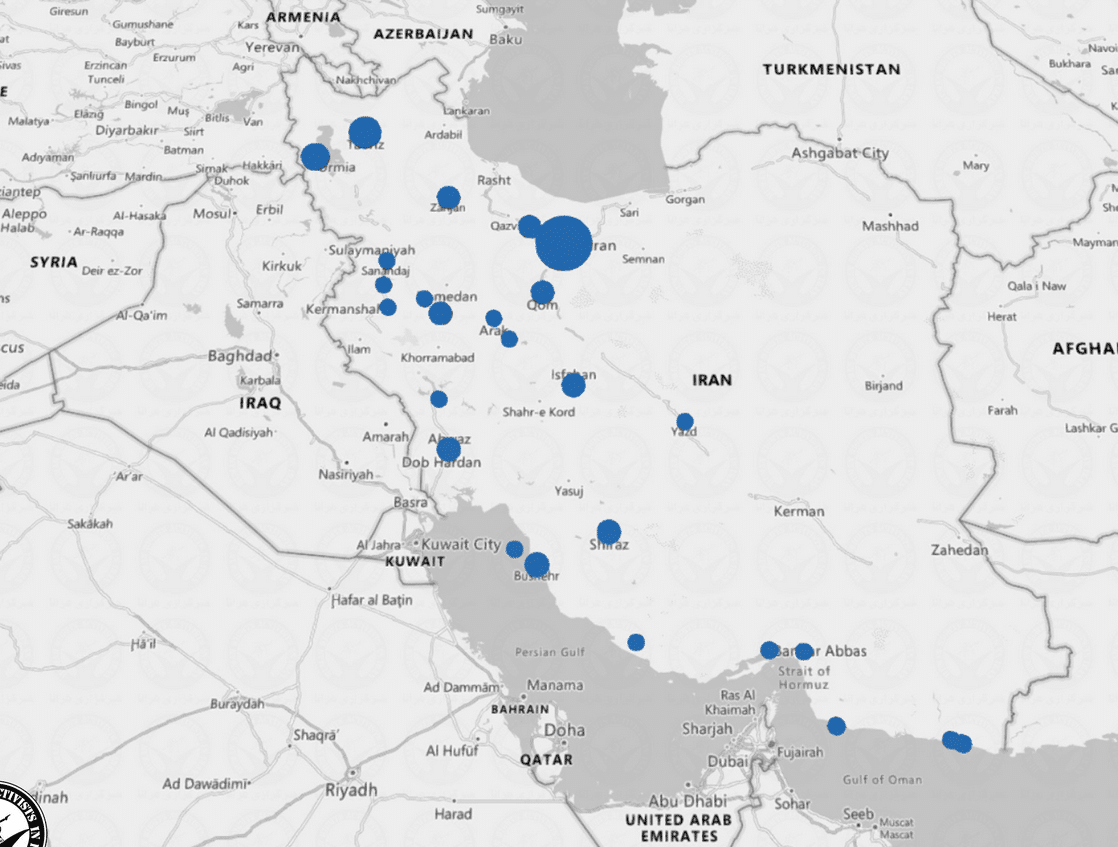
On March 27, 2026, at approximately 2:30 AM local time, a series of precision airstrikes targeted key academic and defense industrial sites across Iran. According to open-source intelligence (OSINT) reports and visual forensics, the operation—part of the broader “Operation Epic Fury”—specifically hit the Iran University of Science and Technology (IUST) in Tehran and major naval production facilities.

The Primary Targets: Why These Sites?

The strikes were not random; they targeted entities the U.S. Department of Defense has historically designated as “engaged in problematic activity” related to nuclear and ballistic missile research.

IUST (Tehran): OSINT accounts and geolocated footage confirm a direct hit on the Physics Department and a Scientific Research Center. IUST is the institution behind the Omid and Zafar 2 satellites, symbols of Iran’s indigenous aerospace capability.

Parchin Military Complex: Long a focal point for international inspectors, new imagery from Vantor satellite sensors shows damage to the Taleghan 2 facility, traditionally linked to explosive testing.

MIO & SADRA: In a move to degrade Iran’s maritime denial capabilities, strikes hit the Marine Industries Organization (MIO) in Tehran and the SADRA shipyard in Bushehr. These facilities oversee the production of naval vessels and fast attack craft used in the Persian Gulf.

The Academic Fallout: Impact on EU and Asian Students

The targeting of universities has created a massive legal and humanitarian ripple effect, particularly for the thousands of international students from the EU and Asia (notably China, India, and Russia) who utilize Iran’s specialized engineering and STEM programs.

Safety and Evacuation: Following the strikes, several EU nations—including Poland, Finland, and Sweden—issued immediate evacuation orders for their citizens. South Korea elevated its alert to a “Level 3 Red Alert,” ordering all nationals to depart.

Shift to Remote Learning: Much like the COVID-19 era, the security situation has forced a regional pivot to online-only instruction. This has stranded students who cannot secure flights home due to disrupted aviation in the Persian Gulf.

Legal Implications: Under International Humanitarian Law, universities are civilian institutions. The targeting of IUST has led to calls for an urgent UN Human Rights Council debate, as it raises questions about the distinction between military research and civilian education.

Strategic Retaliation Risks

The Islamic Revolutionary Guard Corps (IRGC) has issued a deadline of March 30, 2026, demanding the U.S. condemn the university bombings. Failing this, they have threatened retaliatory strikes against American-affiliated branch campuses in the Gulf, such as those in Qatar and the UAE, further endangering the global student body.


Sidebar: The Legal Calculus of “Dual-Use” Targets

The strike on the Iran University of Science and Technology (IUST) sits at the most controversial intersection of the laws of war. Under the 1949 Geneva Conventions and Additional Protocol I (1977), the legality of targeting a university hinges on three core principles: Distinction, Military Necessity, and Proportionality.

1. The Principle of Distinction (Article 48 & 52)

The “Golden Rule” of IHL requires that parties to a conflict distinguish at all times between civilian objects and military objectives.

2. Military Necessity vs. Civilian Status

An object does not become a target simply because it is owned by the government or houses “dual-use” technology.

3. The Proportionality Test (Article 51)

Even if a portion of a university is deemed a military objective, the strike may still be illegal if it fails the proportionality test.

Expert Commentary: The “Bright Line” Problem

“International law does not recognize ‘dual-use’ as a distinct legal category. An object is either a military objective or it is not. By targeting IUST, the U.S. is asserting that the university’s research has crossed a bright line from academic inquiry into active combat support—a claim that will face intense scrutiny at the UN Security Council.” — Legal Analyst, WarsWW


graphic flow of ratified or non ratified aggreements betwee US and Iran
Infographic created by WarsWW – ratified or non ratified aggreements betwee US and Iran

Global Brief Mar 29, 2026

BLUF

The U.S.-Iran conflict enters its second month with the Pentagon actively planning ground operations as Tomahawk stockpiles face critical depletion after 850+ missiles expended. Houthi forces have opened a new front by firing missiles at Israel, while markets are in freefall — the S&P 500 shed 3.4%, VIX spiked to 31, and crude oil surged past $99/bbl — signaling maximum investor fear (Fear & Greed Index: 9, “Extreme Fear”). The war’s economic and strategic costs are compounding rapidly with no clear Iranian capitulation in sight.

KEY DEVELOPMENTS

REGIONAL HIGHLIGHTS

AMERICAS

Nationwide “No Kings” anti-Trump protests drew significant crowds across U.S. cities; Springfield, IL alone saw 1,000+ attendees. Markets in full risk-off mode. Trump escalating domestic political pressure, calling to end the Senate filibuster. FEMA fire disaster declarations ongoing across Oklahoma, Texas, Nebraska, and South Dakota — wildfire season intensifying. Flood warnings active in Ohio, Puerto Rico, and Minnesota.

EUROPE

Half a million gathered in London for what organizers described as the largest anti-far-right demonstration in UK history. USS Gerald R. Ford arrives in Croatia for critical repairs. Ukraine-Qatar/UAE defense deals signed. Russian Duma lawmakers visited Washington in what the Kremlin called a “very helpful” engagement — details to be reported to Putin. Rhineland-Palatinate state election occurred March 22; results being incorporated into German coalition dynamics ahead of September Berlin and Mecklenburg elections.

MIDDLE EAST

The dominant theater. Air campaign against Iranian defense-industrial sites continuing. IRGC issuing escalating threats. Houthis firing missiles at Israel. Airstrikes in Iraq killing Iraqi security forces — a politically volatile development. Saudi Arabia travel advisory remains at Level 3 due to Iranian missile/drone threat to U.S. interests. U.S.-Iran back-channel nuclear talks previously cited by Omani FM as showing “significant progress” appear suspended amid active hostilities. Trump administration simultaneously pursuing a nuclear deal with Saudi Arabia that could permit Riyadh to enrich uranium — a significant nonproliferation concern.

ASIA-PACIFIC

Philippines and France signed a Visiting Forces Agreement amid continued South China Sea tensions with China. GDACS reports green-level wildfire in China (5,823 ha) and Myanmar (5,141 ha). M5.9 earthquake in Indonesia (deep, no significant damage). B-52H Bomber Task Force continues rotation at Andersen AFB, Guam, maintaining INDOPACOM deterrence posture. Internet outages noted in Nepal (BGP anomaly).

AFRICA

Critical internet outages detected in Cameroon, Chad, and Angola (BGP/ping severity: critical, 24-hour duration). DRC security continues deteriorating despite ceasefire — UNSC briefed. Ethiopia flood/landslide disaster (March 10) ongoing — 96 deaths, 11 villages affected. UNSC added two entries to ISIS/Al-Qaeda sanctions list.

INDICATORS TO WATCH

  1. Ground Operation Authorization: Watch for formal AUMF debate in Congress or presidential authorization order for Iran ground operations — the Pentagon planning leak suggests this decision is imminent within 72 hours.
  2. Strait of Hormuz Status: Any Iranian move to close or mine the Strait would be a market-breaking event. Monitor Iranian naval activity and CENTCOM naval force positioning.
  3. Tomahawk/Munitions Resupply: Watch for emergency defense procurement announcements or allies (UK, Australia) being asked to share munitions stocks — a leading indicator of U.S. operational sustainability concerns.
  4. IRGC University Strike Threat Execution: The 24-48 hour window after the IUST bombing is the highest-risk period for IRGC retaliation against universities in Israel, UAE, or other U.S.-aligned Middle Eastern states.
  5. Russia-U.S. Diplomatic Contact: The Duma delegation’s Washington visit and Kremlin’s description as “very helpful” warrants monitoring — Moscow may be positioning as a back-channel mediator or pursuing separate strategic objectives amid U.S. military overextension.

Photo by Egor Myznik

Escalation in Red Sea and Arabian Sea Corridors

Recent intelligence reports from today, March 25, 2026, indicate a critical escalation in the Red Sea and Arabian Sea corridors. The “Houthi Activation” refers to a shift from rhetorical threats to active combat operations, coinciding with the broader US-Israeli-Iranian War that entered a high-intensity phase in late February 2026.

1. Report Expansion: “Houthi Activation” (March 25, 2026)

The term “Houthi Activation” signifies the end of a strategic pause. Following the Gaza Peace Plan of October 2025, Houthi maritime attacks had largely ceased. However, on February 28, 2026, following direct strikes on Iranian soil by US and Israeli forces, Houthi leadership vowed to reopen the “maritime front.”

2. Definitions: The Houthis & The “Axis of Resistance”

The Houthis (officially Ansar Allah) are a key pillar of the Axis of Resistance, an Iranian-led military and political alliance aimed at countering Western and Israeli influence in the Middle East.

3. Historical Context: Impact on the Ongoing Iranian War

The history of Houthi maritime aggression is the blueprint for the current 2026 conflict.


Strategic Note from WarsWW.net:

The “Activation” of the Houthis today is widely viewed by analysts at the Institute for the Study of War (ISW) as an attempt to force the US to split its carrier strike groups between the Red Sea and the Persian Gulf, effectively diluting the “Operation Epic Fury” blockade currently strangling Iranian exports.

GLOBAL SITUATION BRIEFING Mar 28, 2026

BLUF

The US-Israeli military campaign against Iran (“Operation Epic Fury”) has escalated sharply, with Iranian ballistic missiles and drones striking Israel, US military bases in the Gulf region, and Gulf state infrastructure, including a confirmed missile impact in Bahrain. Markets are in freefall—equities down 2.7–4.5%, VIX spiking to 31, gold surging past $4,500—reflecting extreme fear (CNN Fear & Greed Index: 12/100) as the conflict broadens into a potential regional war. Ukraine simultaneously struck Russia’s Yaroslavl oil refinery (Russia’s 5th largest), compounding energy market volatility with WTI crude surging 7% above $101/barrel.

KEY DEVELOPMENTS

Middle East

The operational theater has expanded. Iranian strikes are now confirmed against Israel (Tel Aviv), Bahrain, and US Gulf bases simultaneously, indicating Iran is executing a multi-vector retaliation strategy rather than sequential strikes. The Bushehr facility strike notification to the IAEA is the most alarming single development—regardless of damage level, it establishes a precedent for nuclear infrastructure targeting that could trigger Iranian nuclear posture decisions. USS Abraham Lincoln (CVN-72) remains in the Arabian Sea (CSG-3); USS Gerald R. Ford (CVN-78) is in Souda Bay, Crete, potentially available for eastern Mediterranean contingencies. Saudi Arabia travel advisory remains Level 3 (Reconsider Travel) due to Iranian drone/missile risk.

Europe / Russia-Ukraine

The Yaroslavl refinery strike is strategically significant—targeting deep Russian industrial infrastructure. Russian Shahed drones struck Odesa, hitting residential buildings. BGP routing is stable globally; no cyber escalation indicators detected. Russian parliamentary delegation in Washington represents a marginal diplomatic signal, but should not be overstated.

Americas

Domestic US political tensions continue: Trump is pressing for filibuster elimination, the DHS funding vote is live, and “No Kings” protests are reported in multiple US cities. Oklahoma wildfire emergency declarations (multiple active fires) continue. Freeze warnings across Midwest/Appalachia. US House DHS vote outcome could affect domestic emergency response posture.

Asia-Pacific

India elections (Kerala, Puducherry) approaching April 9. Coast Guard and Northern Mariana Islands conducting joint maritime security patrols in the Western Pacific. USS George Washington (CVN-73) remains in Yokosuka. Seismic activity: M6.5 near Japan’s coast (1.6M people in MMI IV zone); green alert, no tsunami warning. B-52 Bomber Task Force rotation continues at Andersen AFB, Guam.

Africa

DRC security continues to deteriorate despite ceasefire, per UNSC briefing. Critical internet outages detected in Central African Republic and Cameroon (BGP anomalies, 24-hour duration). Ethiopia flood/landslide response ongoing (96 deaths, 11 villages affected, March 10 incident still active).

INDICATORS TO WATCH (Next 24–48 Hours)

  1. Bushehr Nuclear Site: Any IAEA radiation detection, Iranian nuclear posture statement, or further strikes on nuclear-adjacent infrastructure would represent a critical escalation threshold requiring immediate reassessment.
  2. Houthi Activation: Whether Houthis follow rhetoric with renewed anti-ship ballistic missile or drone attacks in the Red Sea/Bab el-Mandeb corridor. Piracy/attack data already at CRITICAL for the Arabian Sea.
  3. US Base Attack Confirmation: Full damage assessment from Iranian strikes on Prince Sultan Air Base and other Gulf installations. Casualty numbers, if confirmed, will drive domestic US political pressure and operational response decisions.
  4. WTI Crude $105 Threshold: A sustained breach above $105/bbl would signal market expectation of supply disruption beyond current conflict scope (Strait of Hormuz contingency pricing).
  5. Trump Cuba Statement Elaboration: Whether the Cuba comment is rhetorical signaling or operational foreshadowing. Combined with NATO friction over Iran war, any military posture toward Cuba would be a significant Western Hemisphere escalation.

Photo by Rob Martin on Unsplash

Ukrainian farmers to the brink of crisis: Hormuz Blockade

Global Food Chain Fractures: Ukraine Braces for 20% Yield Drop as Hormuz Blockade Chokes Fertilizer Supply

KYIV/NEW YORK — A secondary front has opened in the 2026 global conflict, one fought not with missiles, but with the chemical building blocks of life. Ukrainian farmers, already weathered by years of domestic war, are now facing a “catastrophic” input deficit as the U.S.-Israeli war on Iran enters its second month, effectively severing the world’s most critical artery for agricultural nutrients.

The crisis follows the February 28 initiation of Operation Epic Fury, which saw coordinated strikes on Tehran and the elimination of Iranian leadership. In retaliation, Tehran and its allies have successfully obstructed commercial traffic through the Strait of Hormuz, trapping millions of tons of fertilizer and raw materials behind a naval chokepoint.

The Numbers: A Deficit in the Breadbasket

For Ukraine, the timing could not be worse. The blockade has hit just as the spring planting season begins, a window that agricultural historians warn is the worst possible time for a supply shock.

The “Sulfur Cascade” and Fertilizer Types

The shortage is not limited to finished products. The Strait of Hormuz is a primary conduit for Sulfur, a byproduct of oil and gas refining.

Gulf countries produce 44% of globally traded sulfur, which is essential for producing sulfuric acid—the reagent used to turn phosphate rock into plant-absorbable liquid fertilizer. This “Sulfur Cascade” has neutralized phosphate production in countries like Morocco and China, further tightening the global supply of MAP (Mono-Ammonium Phosphate) and DAP (Di-Ammonium Phosphate).

Humanitarian Fallout: “Flashing Red”

The disruption is triggering a humanitarian ripple effect far beyond the borders of the conflict.

Affected Nations and Strategic Shifts

While Ukraine is at the “end of the supply chain” and highly vulnerable, other major agricultural powers are reeling:

Seeking Alternatives

As the “worst-case scenario” for global food security unfolds, the industry is looking toward radical alternatives:

Geopolitical Realignment: If the blockade persists, Russia, Belarus, and China are poised to gain immense leverage as the only major suppliers with available fertilizer surplus, potentially reshaping global alliances.

Distributed Production: Experts are advocating for decentralized, farm-scale ammonia production powered by renewable energy, which could theoretically produce 96% of the world’s nitrogen locally.

Agroecology: Some groups suggest diversifying crop rotations and using cover crops can reduce nitrogen requirements by up to 90%, though “earning the right” to reduce inputs takes years of soil preparation.

Brief Updates for March 27

BLUF

The U.S.-Iran conflict has entered a critical diplomatic inflection point a
s Trump announced a 10-day pause on strikes against Iranian energy infrastructure, citing an Iranian government request and ongoing negotiations
while simultaneously, U.S.-Israeli airstrikes struck IRGC Aerospace
Force headquarters in western Tehran overnight. Markets are in extreme fear
territory (CNN F&G: 13), with equities down sharply and crude oil surging
+3.4% to $93.35/bbl amid Strait of Hormuz supply threats. The dual-track of
kinetic operations and diplomatic signaling creates acute uncertainty about conflict escalation trajectory over the next 10 days.

KEY DEVELOPMENTS

* Iran Conflict =E2=80=94 Dual Track (HIGH CONFIDENCE): Trump posted on Truth Social that he is pausing energy infrastructure strikes for 10
days to April 6 "as per Iranian government request," while simultaneously
OSINT sources confirm U.S.-Israeli airstrikes struck IRGC Aerospace Forces
HQ in Chitgar, western Tehran. Iran's UN representative filed formal protest letters to the UNSC and Secretary-General over use of Gulf states' territory for strikes. RT/mediators claim Iran did not actually request the pause, suggesting contradictory messaging.

* Iran =E2=80=94 Escalation Indicators (HIGH CONFIDENCE): Russia
confirmed providing Iran with modified Shahed drone components and satellite imagery to assist Iranian strikes on U.S. forces and allies (per ISW/CriticalThreats). The Pentagon is actively developing "knockout blow" options including possible seizure of vessels near the Strait of Hormuz and full-scale invasion of Kharg Island. U.S. Navy F/A-18s reported a close call with an Iranian SAM, and the U.S. has deployed uncrewed drone boats in the conflict a confirmed first.

* Lebanon Flare-Up (HIGH CONFIDENCE): A projectile fired from Lebanon killed at least one person in northern Israel. The Israeli Army confirmed the killing of two Israeli soldiers in Lebanon. This represents a significant Lebanon front activation coinciding with the Iran campaign.

* Markets Extreme Fear (HIGH CONFIDENCE): S&P 500 -1.2%, Nasdaq -1.6%, VIX spiked +8.3% to 27.44. Gold fell -3.1% to $4,407 (likely profit-taking/margin calls). Crude WTI surged +3.4% to $93.35. Manila streets emptied amid Strait of Hormuz-linked fuel price surge, indicating real-economy energy shock spreading to Asia.

* Hormuz / Shipping Crisis (HIGH CONFIDENCE): Arabian Sea piracy hotspot rated CRITICAL with 201 incidents in trailing 365 days. Saudi Arabia, Oman, UAE all under Level 3 U.S. travel advisories citing Iranian drone/missile risks. Strait of Hormuz closure risk is the primary systemic threat to global energy supply.

* Domestic Security MacDill IED Plot (HIGH CONFIDENCE):
Siblings Alen and Ann Mary Zheng charged after a failed IED bombing at MacDill Air Force Base (Tampa, FL) on March 10. Device was capable of detonation but not triggered. Charges mark a domestic terrorism attempt against a major CENTCOM hub during active conflict.

* China Industrial Profits Surge (MODERATE CONFIDENCE): Chinese industrial profits rose 15% YoY in January-February, but the oil price shock now threatens the outlook, per CNBC. China's economic resilience may be tested if Hormuz disruption deepens.

* FISA Reauthorization Pressure (MODERATE CONFIDENCE): House Speaker Mike Johnson reportedly warned Rep. Anna Paulina Luna she would bear responsibility for "thousands of American deaths" if she votes against FISA reauthorization extraordinary pressure amid active overseas conflict and domestic terror threats.

* Internet Outages (MODERATE CONFIDENCE): Critical BGP routing disruptions detected in Ethiopia, Honduras, Somalia, Zimbabwe, Turks & Caicos, and Equatorial Guinea over the past 24 hours. Ethiopia's score is highest (4,642), potentially conflict/infrastructure-related.

* ICS Vulnerabilities (MODERATE CONFIDENCE): Two new known-exploited vulnerabilities added to catalog in 48 hours, plus high-severity ICS/OT advisory on WAGO industrial managed switches elevated concern during wartime given critical infrastructure attack surfaces.

---

REGIONAL HIGHLIGHTS

Americas

The MacDill AFB IED plot underscores domestic radicalization risk co-occurring with overseas conflict. Trump’s TSA funding order via executive action signals ongoing government funding tensions with Congressional Democrats. Multiple active wildfires in Oklahoma (Jumping Juniper, Dibble Creek, Buck Horn fires) remain under FEMA Fire Management declarations. Tornado watches active in Ohio overnight. Maduro pursuing dismissal of U.S. drug charges; Venezuela travel advisory dropped to Level 3.

Europe

USS Gerald R. Ford (CVN-78) remains in port at Souda Bay, Crete — strategically positioned for Eastern Mediterranean contingencies. Russian FM Lavrov called for UK and France inclusion in strategic stability talks, calling current format a “dead end.” Russian state media amplifying Iran conflict narratives and energy market implications. Rhineland-Palatinate state election in Germany occurred March 22.

Middle East

The dominant theater. U.S.-Israeli strikes on IRGC Aerospace HQ in Tehran overnight represent a significant escalation in targeting. Lebanon front active with Israeli soldier fatalities. Pentagon developing Kharg Island and Hormuz seizure options. Iran protesting to UNSC. USS Abraham Lincoln (CVN-72/CSG-3) confirmed in Arabian Sea region. Saudi Arabia under Level 3 U.S. travel advisory. Trump administration reportedly pursuing a nuclear deal with Saudi Arabia that could permit enrichment — a significant nonproliferation concern.

Asia-Pacific

USS George Washington (CVN-73) in port at Yokosuka, Japan. M6.5 earthquake near Japan (Sanriku coast) affected ~1.6 million in MMI IV — no tsunami warning, green alert. M5.7 in Indonesia (Papua province) — green alert. Manila experiencing acute economic disruption from fuel price surge tied to Hormuz crisis. Philippine streets emptying per Al Jazeera reporting.

Africa

Ethiopia experiencing both severe BGP internet disruption and ongoing flood/landslide emergency (96 dead, 1,950 households affected since March 10). DRC ceasefire deteriorating per UNSC briefing. Sudan under OFAC targeted sanctions.


MARKET IMPLICATIONS


INDICATORS TO WATCH

  1. Iran Nuclear/Diplomatic Track (next 24-48h): Watch for formal Iranian confirmation or denial of requesting the 10-day pause. The Omani FM’s “significant progress” signal in nuclear talks is the key stabilization indicator. Any resumption of strikes before April 6 or Iranian retaliation on Gulf energy infrastructure would signal breakdown.
  2. Kharg Island / Hormuz Seizure Decision (48-72h): The Pentagon’s reported “knockout blow” planning is the most significant escalation risk. Watch for carrier group repositioning (Lincoln CSG-3) and any additional U.S. naval assets transiting into the Persian Gulf.
  3. Lebanon-Israel Front (24-48h): Two IDF soldiers killed and cross-border projectile fire suggest a second front is activating. Watch for Israeli ground operation authorization near the Lebanese border.
  4. FISA Reauthorization Vote (24-48h): With Speaker Johnson applying maximum pressure during active conflict and domestic terror threat, the vote outcome directly affects intelligence collection authorities. Failure to reauthorize would degrade near-term threat monitoring capacity.
  5. China Industrial Activity / Oil Import Data (48-72h): China’s response to oil price shock — whether it activates strategic reserves, accelerates Iran crude purchases under sanctions, or signals demand reduction — will be a major price-setting variable.